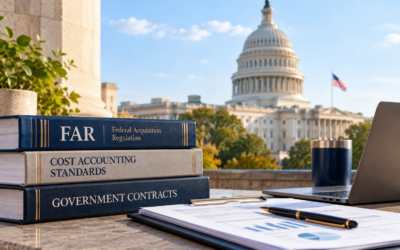
What You Need to Know About DCAA and FAR Compliance
DCAA stands for Defense Contract Audit Agency, while FAR stands for Federal Acquisition Regulation. Both DCAA and FAR are critical components of government contracting, and compliance with them is necessary for companies that want to do business with the U.S. government.
Here are some important things you need to know about DCAA and FAR compliance:
What is DCAA Compliance?
The DCAA is responsible for auditing and evaluating government contracts and ensuring that contractors are following regulations and guidelines. To be DCAA compliant, contractors must adhere to certain accounting principles, maintain accurate and complete records, and follow proper billing procedures.
FAR Compliance
The FAR is a set of rules and guidelines that govern the acquisition process for federal agencies. The regulations cover a wide range of topics, including procurement procedures, contract administration, and ethics. Contractors must comply with the FAR to be eligible for government contracts.
DCAA Audits
The DCAA conducts audits to ensure that contractors are in compliance with government regulations. Audits can be performed on a variety of areas, including billing procedures, cost accounting, and timekeeping. Contractors should maintain accurate records and be prepared to provide documentation to support their compliance.
Compliance Requirements
Contractors must be aware of the compliance requirements for both DCAA and FAR. This includes understanding the rules and regulation, maintaining accurate records, and implementing appropriate internal controls. Failure to comply with these requirements can result in penalties, loss of contracts, and damage to a company’s reputation.
Importance of Compliance
Compliance with DCAA and FAR regulations is critical for companies that want to do business with the government. It not only ensures that contractors are following proper procedures and guidelines, but it also helps to promote transparency and accountability in government contracting.
In summary, DCAA and FAR compliance are important for companies that want to do business with the government. Contractors must be aware of the rules and regulations, maintain accurate records, and implement appropriate internal controls to ensure compliance. Failure to comply with these requirements can result in penalties, loss of contracts, and damage to a company’s reputation.
Are you a Government Contractor? Virtual CFO provides GovCon-centric strategic accounting for small businesses providing services in technology, architecture, engineering, aerospace, and project management industries. We know your pain points – let us help you relieve them – schedule a consult.