What you need to know for the health of your small business in 2015
 As a small business employer, you strive to provide the ideal health insurance benefits to attract and retain the best employees possible. At the same time, you want to ensure your CPA helps you avoid any unnecessary penalties, as well as minimize implementation costs while ensuring compliance with the new healthcare insurance laws and regulations. It is now time to determine the full-course and implementation options of the Affordable Care Act for your small business, in preparation of your 2014 taxes and upcoming employee benefits enrollment. Here is what you need to know:
Affordable Care Act for small businesses with less than 25 employees
Tax Penalties and Credits
Businesses with less than 25 employees are exempt from penalties faced by larger employers that do not offer health insurance.
Nonetheless, the ACA provides tax credits to small businesses wanting to provide healthcare insurance benefits to their employees. In 2013, employers who contributed 50% or more towards employees’ self-only premiums with the average annual wages of $50,000 were eligible to take a health care tax credit up to 35%. In 2014, the tax credit increased to 50% for those who participated in the Health Insurance Marketplace insurance for small employers. Firms that meet these criteria can claim tax credit for the years 2010-2013 and new tax credit percentage of 50% for any two consecutive years beginning in 2014. Companies with less than 25 employees can also claim a tax credit for tax years already filed by having their tax accountant amend returns for the affected years.
The Small Business Health Options Program (SHOP)
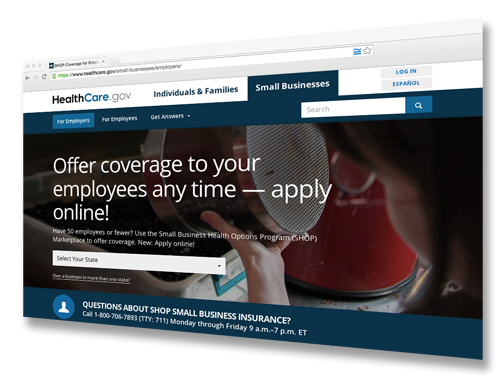
Offered by state governments, SHOP is a year round open enrollment aimed at helping employers get better insurance choices at lower costs. A small business employer must have at least one employee to offer SHOP coverage to all full time employees, and meet the minimum participation rates for eligibility.
Other ACA Provisions for small businesses
- Medical Loss Ratio Rebates – Insurance companies that spend less than 80% of premiums on medical care are required to provide rebates to the employers.
- Flexible Spending Account or FSA – The maximum amount an employee may elect to contribute to a FSA is $2,500, subject to cost-of-living adjustments with a $500 carryover option.
- Medicare Surtax – Since 2013, the ACA increased employees’ portion of Medicare withholdings by 0.9% for incomes over $200,000 for single and $250,000 for married filing jointly. Employers’ tax rate for Medicare will remain unchanged at 1.45%.
- Net Investment Income Tax – A 3.8% Medicare tax is being assessed on the following net investment income:
- Taxable capital gains
- Dividends
- Rents
- Royalties
- Maximum Waiting Period to Start Health Coverage – Employees eligible for employer-based health benefits do not have to wait more than 90 day period to start coverage.
- Workplace Wellness Programs – ACA encourages employers to offer wellness programs to support healthier workplaces. Tax deductions for employers using a health contingent wellness program increased from 20% to 30% for the total cost of health coverage in 2014. Employer tax deductions for those offering programs related to tobacco prevention increased to 50% that can be deducted from the total cost.
The immediate hurdle, as you are quickly moving into 2015, is to finalize your Affordable Care Act options and implement the needed requirements to ensure you are providing the best benefits for your employees. It is also imperative that your tax accountant keeps you well informed and up to date with any continuing changes to the law.
Please contact us at 410.772.0065 or here to speak with a member of our team to help you overcome any ACA challenges.
Learn more and stay up to date with changes to the Affordable Care Act
- For information related to affordable healthcare act in District of Columbia
- For information related to affordable care act in Maryland
- For information related to affordable healthcare act in all states
Other helpful links: