What’s in This Article:
Modern Smartphone and Data Management Applications Help Maintain Mileage Logs
It’s Time to Move Beyond the Mileage Tracking Spreadsheet
Modern Smartphone Technology Makes Mileage Tracking Easier
Reduces Risk of Employee Abuse and Fraud
Modern Smartphone and Data Management Applications Help Maintain Mileage Logs
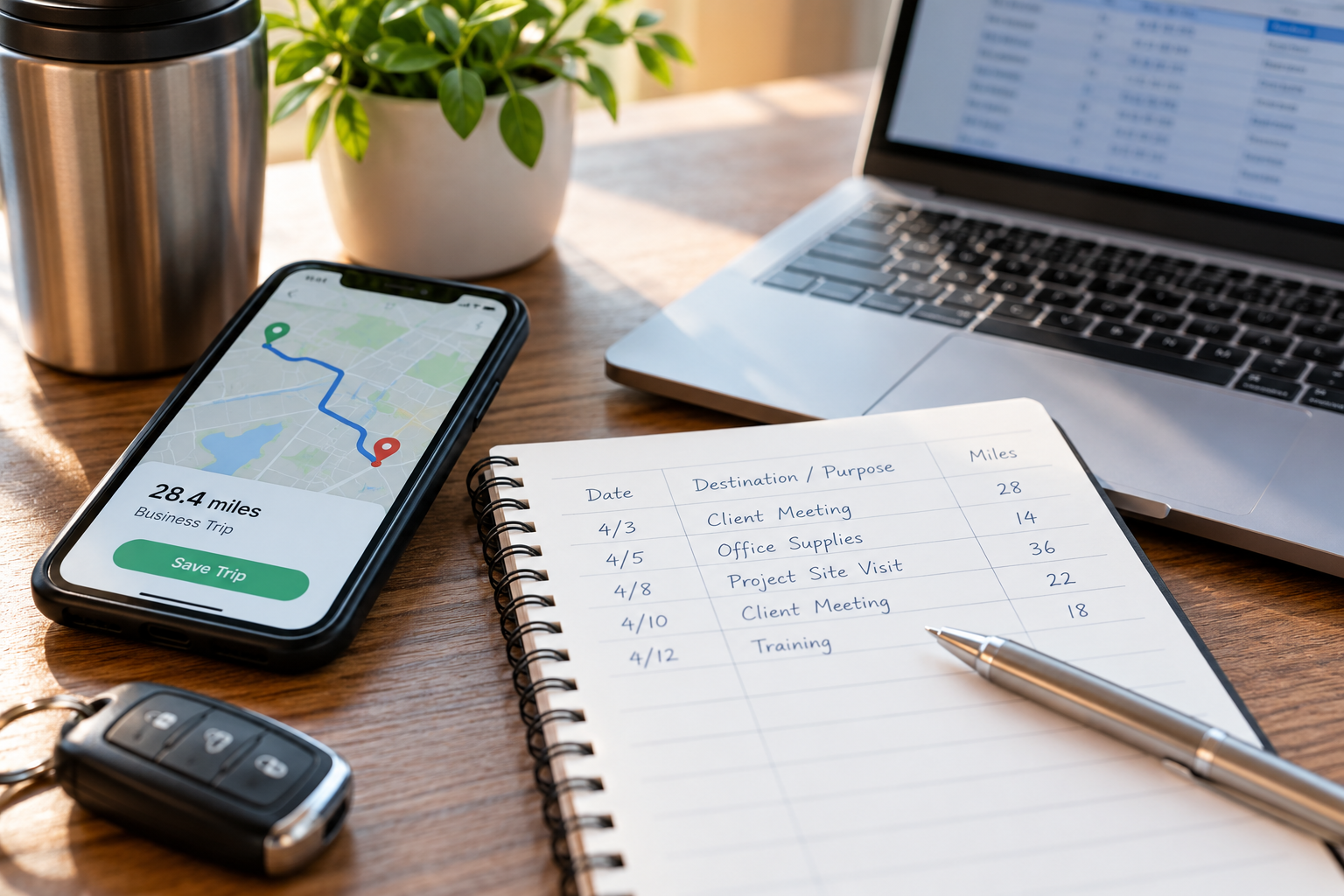
As common and routine as it may be, taking another look at your mileage tracking process for employees can be another way to tighten your accounting records. The IRS requires proper documentation to substantiate business mileage, including the miles traveled, dates, destinations, and business purpose of each trip. In the event of an audit, this documentation may need to be produced.
For 2026, the IRS standard business mileage rate is 72.5 cents per mile for January through June and 76 cents per mile for July through December. Especially for businesses with multiple vehicles, mileage expenses can add up. Mileage logs can further assist in managing costs and minimizing inaccurate reporting by traveling employees.
1. It’s Time to Move Beyond the Mileage Tracking Spreadsheet
While spreadsheets have been useful for managing financial data, mobile and cloud technology can now provide vehicle location and mileage information with less manual entry.
Thus, if your mileage tracking process still uses spreadsheets—or even the low-tech glove compartment notepad—it involves staff time spent entering and reviewing information before integrating it into an electronic accounting system, like QuickBooks. The result is that your time and labor costs could be higher overall when compared to more automated solutions.
2. Modern Smartphone Technology Makes Mileage Tracking Easier and More Accurate Than Ever
With the right mobile app combined with built-in phone GPS and location tracking, you can implement a process that sends mileage information from employees’ phones into a cloud-based system. Depending on the application, the information can then be exported or integrated into QuickBooks or another accounting system.
Mileage tracking applications, such as TripLog, offer features for recording trips, dates, distances, and destinations. However, employees should still review their mileage records to confirm that trips are properly classified and documented for business purposes.
3. Useful for Fleet Management
If you are using a system of mileage tracking for a fleet of vehicles, it most likely evaluates overall odometer readings while comparing them to fuel, maintenance, and depreciation costs.
Using more modern technology, as mentioned above, can improve the accuracy of your cost information and reduce the manual work involved in maintaining records.
4. Reduces Risk of Employee Abuse and Fraud
Maintaining an accurate mileage tracking system for employees, especially when they use personal cars for business, helps reduce the risk of inaccurate reporting, employee abuse, and fraud.
Although automated tracking cannot eliminate these risks, reviewing mileage reports and establishing clear reimbursement policies can improve accountability.
5. Ensures Proper Accounting
You already know that when a business system is set up properly and collects financial data accurately, it can improve the integrity of your accounting records.
When your mileage tracking process uses an application with GPS and cloud-based reporting, it can improve the accuracy and efficiency of recording mileage expenses.
One consideration when making mileage logs more efficient is whether you provide phones for your employees and how to develop a policy that encourages participation when personal mobile devices are used. Employee privacy and consent should also be considered when implementing GPS tracking.
So, if you are not taking full advantage of automated mileage tracking technology, consider an assessment of your current process. Electronic records can be more convenient than paper-based systems, provided they are properly maintained and retained for the applicable period.
Improvements to your system, along with an accepted employee policy, can strengthen your accounting practices, reduce reporting errors, support IRS compliance, and potentially improve your bottom line.
At Cheryl Jefferson & Associates, we help businesses maintain accurate financial records and improve their accounting processes. Contact CJA to learn how we can support your business.

Frequently Asked Questions
What information should employees record in a mileage log?
Employees should record the date, business purpose, destination, and miles traveled for each business trip.
What is the IRS business mileage rate for 2026?
The rate is 72.5 cents per mile for January through June and 76 cents per mile for July through December 2026.
Is a mileage tracking app required by the IRS?
No. Businesses can use paper logs, spreadsheets, or mileage tracking apps, provided the records adequately substantiate business mileage.